Global Electrophysiological Recording Systems Market Outlook
The global electrophysiological recording systems market is set to experience steady growth, with a projected compound annual growth rate of approximately 7% between 2025 and 2030. This expansion is largely driven by the increasing demand for advanced diagnostic and interventional procedures across both cardiac and neurological domains. As healthcare systems continue to evolve toward precision medicine and data-driven decision-making, electrophysiological recording systems have become indispensable tools in clinical and research environments.
One of the primary contributors to market growth is the rising incidence of cardiac arrhythmias worldwide, which has significantly increased the volume of electrophysiology procedures. Additionally, the rapid expansion of electrophysiology laboratories and improvements in healthcare infrastructure, particularly in emerging markets, are supporting broader adoption of these systems. Growing investments in neuroscience research and neural interface technologies are further accelerating market demand, positioning electrophysiological recording systems as a critical component in both clinical cardiology and advanced brain research.
Key Request a free sample copy or view report summary: https://meditechinsights.com/electrophysiological-ep-recording-systems-market/request-sample/
Report Overview
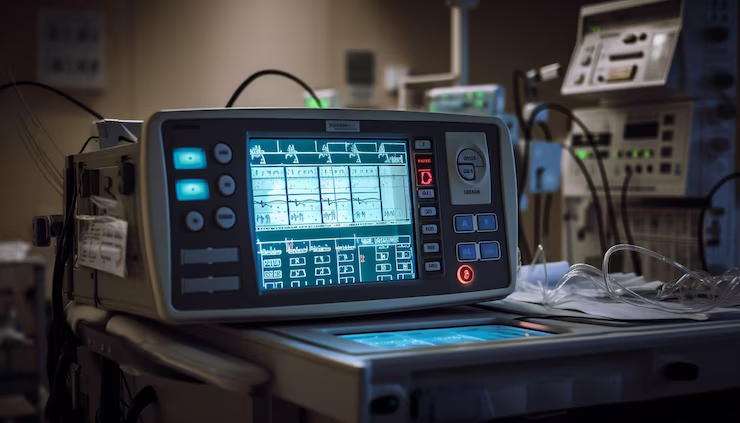
Electrophysiological recording systems are sophisticated medical devices designed to capture, process, and analyze electrical signals generated by the heart and brain. These systems are widely used in diagnostic procedures, therapeutic interventions, and scientific research to provide real-time insights into electrical activity within the body. In electrophysiology labs, they play a vital role in guiding clinical decisions, supporting complex procedures, and enabling accurate diagnosis of various cardiac and neurological conditions.
Modern EP recording systems have evolved significantly with the integration of advanced technologies such as digital signal processing, high-speed data acquisition, and intelligent software platforms. These enhancements allow clinicians and researchers to obtain high-resolution data, perform detailed analyses, and improve procedural outcomes. The increasing use of these systems in applications such as cardiac ablation, arrhythmia monitoring, neuromodulation, and brain mapping has contributed to their growing importance in healthcare and research settings.
Rising Demand for EP Procedures and Neuro Applications Driving Market Growth
The demand for electrophysiological recording systems is being strongly influenced by the increasing need for precise and real-time signal acquisition in both cardiology and neuroscience.
Growing prevalence of cardiac arrhythmias is leading to higher procedural volumes in electrophysiology labs, particularly for interventions such as catheter ablation
Expansion of electrophysiology laboratories and increased adoption of digital healthcare technologies are supporting market growth
Rising interest in neuroscience applications, including functional brain mapping and neuromodulation, is creating new demand for EP recording systems
Increasing investments by universities, research institutions, and biotechnology companies in neural research and brain–computer interface development are driving adoption
Growing use of EP recorders in neuroprosthetics and functional neurosurgery is contributing to market expansion
As medical procedures become more advanced and data-intensive, the need for accurate, noise-free signal interpretation continues to increase, reinforcing the importance of EP recording systems in modern healthcare ecosystems.
Technological Advancements Driving Innovation in EP Recording Systems
Technological progress is playing a crucial role in transforming electrophysiological recording systems into highly advanced and integrated platforms.
High-density signal acquisition technologies are enabling detailed mapping of electrical activity across multiple channels
Customizable and user-friendly software interfaces are allowing clinicians to optimize workflows based on specific procedural requirements
Advanced noise reduction algorithms are improving signal clarity and reliability, even in complex clinical environments
Integration with three-dimensional cardiac mapping systems is enhancing visualization and precision during cardiac procedures
Compatibility with neurostimulation devices and neural implants is supporting advanced neuroscience research and therapeutic applications
Cloud-based data management systems are enabling secure storage, remote access, and collaborative analysis of electrophysiological data
Artificial intelligence-driven analytics are enhancing pattern recognition, predictive insights, and clinical decision support
These advancements are redefining the capabilities of EP recording systems, enabling them to support complex workflows and deliver improved clinical and research outcomes.
Competitive Landscape Analysis
The electrophysiological recording systems market is characterized by the presence of established medical technology companies as well as specialized players focusing on niche applications in cardiology and neuroscience. These organizations are actively investing in product innovation, software development, and system integration to strengthen their market positions.
Strategic collaborations with academic institutions, research centers, and healthcare providers are becoming increasingly important, enabling companies to develop customized solutions that address evolving clinical needs. Companies are also focusing on enhancing signal processing capabilities, improving user interfaces, and integrating advanced analytics to differentiate their offerings.
While leading players continue to dominate the cardiac electrophysiology segment, emerging companies are making significant progress in neuroscience-focused applications, contributing to a dynamic and competitive market environment. Continuous innovation and technological advancement remain key factors shaping the competitive landscape.
Market Drivers
Growing ageing population
Increasing procedural volumes in electrophysiology and neuroscience
Advancements in signal acquisition and analytical technologies
Integration of EP recording systems with mapping and neuromodulation platforms
Market Opportunities
Expansion into neuroscience-focused electrophysiology applications
Development of artificial intelligence-enabled EP recording systems
Rising adoption of advanced electrophysiology technologies in emerging markets
Key Players
- GE HealthCare
- Boston Scientific
- Alpha Omega Engineering
- Other emerging and niche players in cardiac and neuroscience domains
Key Request a free sample copy or view report summary: https://meditechinsights.com/electrophysiological-ep-recording-systems-market/request-sample/
About Us:
At Medi-Tech Insights, we are a global healthcare consulting firm committed to delivering premium insights and strategic solutions to help our clients navigate the complex and evolving healthcare landscape. Our team combines deep industry expertise with data-driven market intelligence to provide actionable insights that enable smarter decisions and sustainable success.